

PERSONAL INJURY | PREMISES LIABILITY | PROPERTY OWNER DUTIES | FLORIDA LAW
Under Florida law, property controllers owe two distinct duties to invitees, making the distinction critical when addressing the “open and obvious” defense.
Published: October 14, 2025
Case: Frazier v. Panera, LLC
Court: Florida Fifth District Court of Appeal
Decision Date: June 30, 2023
Two Independent Duties Under Florida Law
Under Florida law, a person who controls a piece of property owes two independent duties to invitees (i.e., people who have been expressly or implicitly invited onto the property).
First, to give warning of concealed perils that are known or should be known to the owner, but which are not known to the invitee.
And second, to maintain the premises in a reasonably safe condition.
The “Open and Obvious” Affirmative Defense
In Frazier v. Panera, LLC, 367 So. 3d 565, 567 (Fla. 5th DCA 2023), the Fifth DCA made clear that, when it comes to a particular kind of affirmative defense—the “open and obvious” doctrine—the difference between these duties can be material.
Specifically, while a defendant may not be liable for failing to warn invitees of dangerous conditions that are “open and obvious,” it may nevertheless be liable for allowing those conditions to exist on its property.
What Happened in Frazier v. Panera, LLC
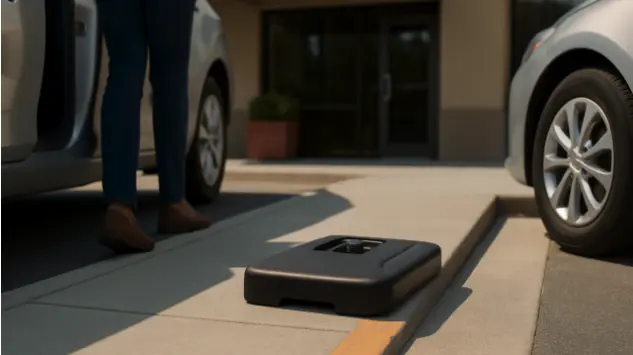
The fact pattern in Frazier can be briefly summarized. The plaintiff, Charissa Frazier, arrived with her husband at a Panera Bread intending to dine. After parking in the restaurant’s lot, she stepped out of the passenger side of the car and onto the sidewalk. There, she tripped over a black weighted sign base that no longer had a sign attached.
Frazier alleged that the base was obscured from her view and that Panera should have anticipated that customers would traverse the sidewalk and potentially encounter the object.
The trial court granted summary judgment for Panera, holding that the base was an “open and obvious” condition that did not trigger a duty to warn. According to the trial court, the base’s dark color contrasted with the light sidewalk, and Frazier simply failed to watch where she was walking.
The Fifth DCA’s Analysis and Reversal
However, the Fifth DCA reversed the decision. The appellate court emphasized that the open and obvious doctrine relates only to the duty to warn—not the separate duty to maintain the premises in a reasonably safe condition.
The court concluded that genuine issues of material fact existed not only as to whether the condition was truly open and obvious, but also as to whether Panera breached its independent duty to maintain a safe premises.
In doing so, the court reaffirmed that even when a hazard is visible, property owners may still bear responsibility for allowing dangerous conditions to exist. The court wrote: “Even if the base was considered an open and obvious condition under the circumstances, it is a separate and independent issue of negligence whether Panera created a hazardous condition and generally failed to maintain a safe premises under the circumstances. While the fact that a danger is obvious discharges a landowner’s duty to warn, it does not discharge the landowner’s duty to maintain his premises.”
Key Takeaways for Premises Liability Claims
In sum, when evaluating claims in a premises liability case, be sure to consider all duties owed by the defendant. Pleading and developing breaches of multiple duties could be the key to surviving summary judgment.
If you have questions regarding a premises liability claim or property owner duties under Florida law, contact Maderal Byrne & Furst PLLC today for a free consultation.
LEGAL DISCLAIMER: This blog post is provided for general informational and educational purposes only. It does not constitute legal advice and does not create an attorney-client relationship. The law is subject to change, and the application of legal principles varies depending on the specific facts of each case. If you have questions about your specific situation, you should consult a licensed Florida attorney. This post discusses legal concepts and principles addressed in the cited case. It is not intended to make any assertions about the truth of any allegations or evidence relating to any party to that case.
Citations & Sources
- Frazier v. Panera, LLC, 367 So. 3d 565 (Fla. 5th DCA 2023)
